


If you’re a small business owner, chances are you’ve asked yourself this question at least once: “Should I hire a marketing agency, or should I just handle marketing myself?” The honest answer? It depends on your goals, your budget, your available time, and how quickly you want to grow. For many small businesses, marketing starts as a DIY effort — and honestly, that makes sense. In the early stages, nobody knows your business better than you do. But as your business grows, marketing often becomes one more thing sitting on an already overloaded plate. This guide breaks down the pros and cons of both approaches so you can make the right decision for your business. The Benefits of DIY Marketing There’s nothing wrong with handling your own marketing, especially when you’re just getting started. In fact, many successful businesses built their first audience through simple, authentic content created by the owner themselves. 1. It Saves Money Upfront This is the biggest reason many small businesses choose the DIY route. Hiring a marketing agency is an investment, and when budgets are tight, it can feel smarter to keep things in-house. Social media platforms are free to use, Canva is accessible, and there are more tools than ever for business owners to create content on their own. If you’re willing to learn, you can market your business without spending thousands per month. 2. Nobody Knows Your Business Better Than You You understand your customers, your culture, your story, and your values better than anyone else. That authenticity matters. People connect with real business owners who genuinely care about what they do. Sometimes the most effective content isn’t highly polished — it’s simply honest and relatable. 3. You Stay in Full Control When you handle marketing yourself, every post, ad, email, and piece of messaging comes directly from you. There’s no back-and-forth communication or approval process. You can pivot quickly, test ideas instantly, and keep your branding exactly how you want it. The Challenges of DIY Marketing While doing it yourself can work, it also comes with real challenges that many business owners underestimate. 1. Marketing Takes More Time Than People Think Posting on social media is the easy part. The hard part is: Planning content consistently Filming and editing videos Writing captions Designing graphics Responding to comments and messages Running ads Updating your website Tracking analytics Learning SEO Keeping up with trends and algorithm changes Most small business owners are already wearing multiple hats. Marketing often becomes inconsistent simply because there aren’t enough hours in the day. 2. Inconsistency Hurts Growth One of the biggest mistakes in small business marketing is inconsistency. Many businesses post heavily for two weeks, disappear for a month, then wonder why nothing is growing. Effective marketing is less about occasional viral moments and more about showing up consistently over time. That consistency becomes difficult when marketing is competing with running the actual business. 3. There’s a Learning Curve Modern marketing moves fast. Platforms change constantly. Advertising evolves. SEO best practices shift. Video content trends change every few months. You can learn all of it — but learning takes time, and mistakes can cost money. A poorly targeted ad campaign or an outdated website strategy can waste a lot of effort without producing real results. The Benefits of Hiring a Marketing Agency Hiring a marketing agency doesn’t mean losing your voice or stepping away from your business. A good agency should feel like an extension of your team. 1. You Get Your Time Back This is often the biggest benefit. Instead of spending late nights trying to figure out Instagram reels, edit videos, or learn Meta Ads Manager, you can focus on what you actually do best: running your business. Your time has value. Sometimes the question isn’t “Can I do this myself?” It’s “Is this the best use of my time?” 2. You Gain Access to Expertise A strong marketing agency brings experience across multiple industries, platforms, and strategies. They already know: What types of content perform well How to create a content strategy How to run effective ads How to improve SEO How to build a website that converts How to analyze data and adjust strategy Instead of learning through trial and error, you’re leveraging experience that already exists. 3. Your Marketing Becomes More Consistent Consistency is where agencies can make a huge difference. When there’s a dedicated team creating content, scheduling posts, designing graphics, filming videos, and managing campaigns, your brand stays active and visible even when you’re busy. That consistency builds trust with your audience over time. 4. You Get an Outside Perspective Business owners are often too close to their own business. An agency can help identify: What makes your brand unique Gaps in your messaging Opportunities you may be missing Ways to better connect with customers Sometimes an outside perspective creates clarity that’s difficult to see internally. The Challenges of Hiring a Marketing Agency Hiring an agency isn’t automatically the right fit for every business. 1. It’s an Investment Marketing agencies cost money, and for some small businesses, that investment may not make sense yet. If your business is extremely new or operating on a very limited budget, it may be smarter to focus on building foundational revenue first before outsourcing marketing. 2. Not Every Agency Is the Right Fit Some agencies prioritize volume over relationships. Small businesses often get frustrated when they feel like: They’re treated like just another client Content feels generic Communication is poor The agency doesn’t understand their business That’s why finding the right agency matters just as much as deciding whether to hire one at all. A good agency should learn your culture, understand your goals, and communicate regularly. 3. You Still Need to Be Involved Hiring an agency doesn’t mean disappearing completely. The best marketing partnerships happen when business owners stay involved by: Sharing ideas Providing feedback Participating in content Communicating goals and priorities Your voice and vision still matter. So… Which Option Is Better? There’s no universal answer. For some businesses, DIY marketing works extremely well — especially when the owner enjoys creating content and has time to stay consistent. For others, hiring a marketing agency creates the freedom, consistency, and strategy needed to actually grow. In many cases, the best solution is somewhere in the middle. Some businesses start by handling certain things internally while outsourcing areas like: Video production Paid advertising Website design SEO Content strategy You don’t necessarily have to choose all or nothing. Final Thoughts At the end of the day, marketing is about building trust, telling your story, and staying visible in your community. Whether you handle it yourself or work with a marketing agency, the most important thing is that your marketing stays authentic and consistent. The businesses that grow are usually the ones that continue showing up — even when things get busy. And sometimes, having the right partner makes that a whole lot easier.
AI isn’t the future of marketing—it’s already here. And for small businesses, it’s one of the most powerful (and underutilized) tools for growing your online presence without burning out your time or budget. At Gather Communications, we look at AI the same way we look at social media or content creation—it’s not about shortcuts, it’s about using the right tools to amplify your voice, not replace it. Here’s how to actually use AI to improve your SEO and build meaningful brand awareness. 1. Start with Smarter Keyword Research AI tools can help you uncover what your audience is actually searching for—beyond just the obvious keywords. Instead of guessing, you can: Identify long-tail keywords (the phrases people actually type) Discover trending topics in your industry Understand search intent (what people really want when they search) Example: Instead of targeting “interior design,” AI might uncover opportunities like: “affordable interior design ideas for small spaces” “how to decorate a living room on a budget” These are the types of searches that bring in qualified traffic. 2. Create Content Faster (Without Sacrificing Quality) AI can help you generate blog topics, outlines, and even first drafts in minutes. But here’s the key— your voice still matters. Use AI to: Brainstorm blog ideas Structure your posts for SEO Speed up writing time Then layer in: Your real experiences Your brand personality Your expertise Because Google doesn’t just reward content—it rewards helpful, human content. 3. Optimize for Search Engines (Without Guesswork) SEO can feel overwhelming—but AI simplifies the process. With the right tools, you can: Optimize headlines and meta descriptions Improve readability and structure Naturally incorporate keywords Identify gaps in your content Think of AI as your built-in SEO assistant—helping you check all the boxes without overthinking it. 4. Turn One Piece of Content into Ten One of the biggest missed opportunities for small businesses? Not maximizing content. AI makes it easy to repurpose: Turn a blog post into social media captions Break it into email newsletters Create short-form video scripts Generate FAQs for your website This not only saves time—it reinforces your message across platforms, which is key for brand awareness. 5. Stay Consistent (The Real SEO Secret) Here’s the truth: the businesses that win at SEO aren’t always the biggest—they’re the most consistent. AI helps you: Plan content calendars Keep posting regularly Maintain a steady flow of ideas And consistency is what builds: Trust with your audience Authority with search engines Recognition for your brand 6. Use AI for Insights, Not Just Output AI isn’t just for creating—it’s for learning. You can use it to: Analyze what content is performing best Identify patterns in engagement Adjust your strategy in real time The more you understand what’s working, the more intentional (and effective) your marketing becomes. The Bottom Line AI isn’t here to replace your marketing—it’s here to make it more efficient, more strategic, and more impactful. The businesses that will stand out aren’t the ones using AI to pump out generic content. They’re the ones using it to: Work smarter Stay consistent And show up more intentionally At the end of the day, your brand is still your voice, your story, and your relationships. AI just helps more people find it. If you’re looking to build a smarter content strategy (with or without AI), that’s exactly what we do at Gather Communications—helping small businesses grow through creative, intentional marketing that actually connects.
The body content of your post goes here. To edit this text, click on it and delete this default text and start typing your own or paste your own from a different source.
The body content of your post goes here. To edit this text, click on it and delete this default text and start typing your own or paste your own from a different source.
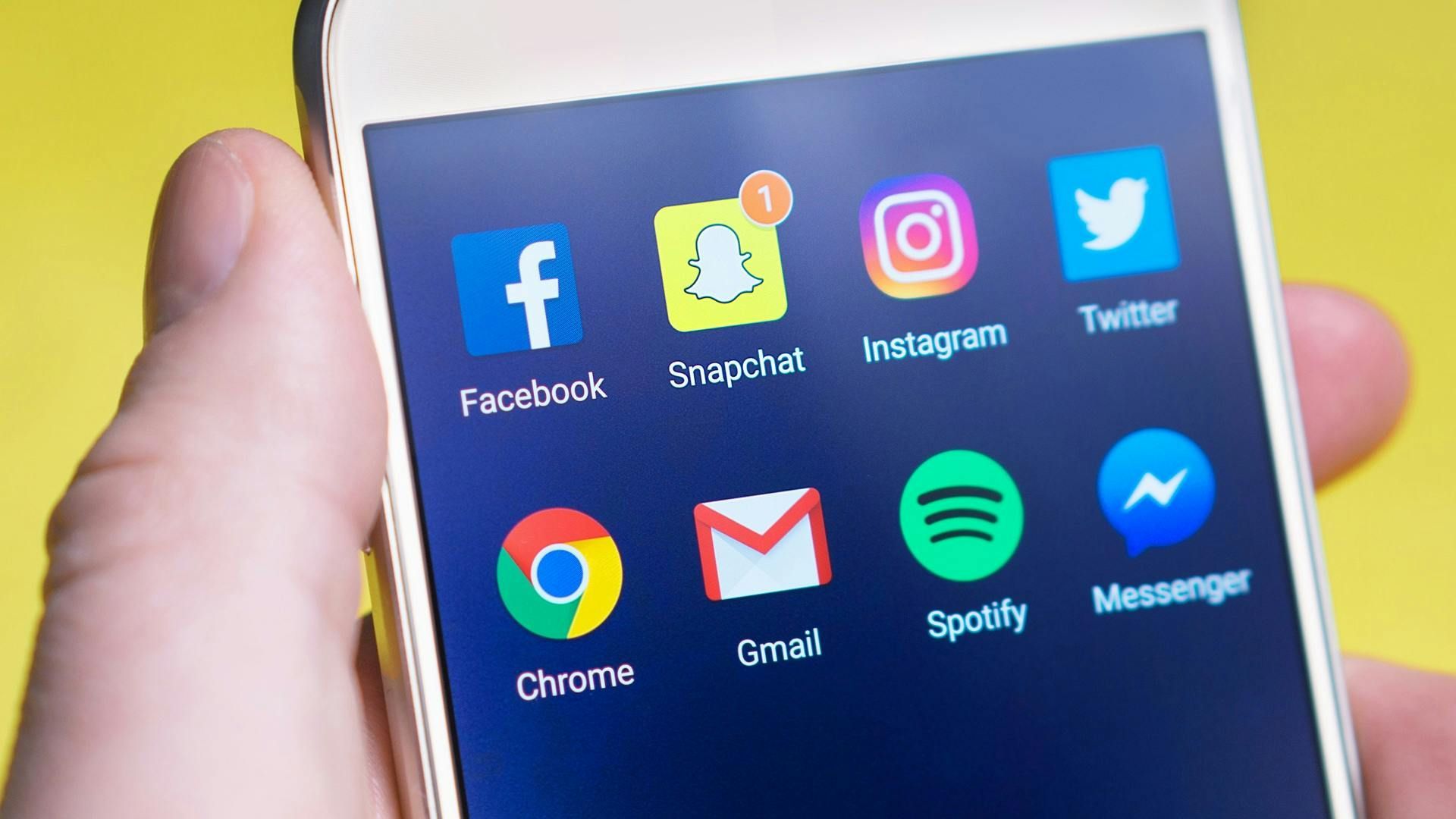
If you think social media is just for posting pretty pictures or collecting likes, think again. For small businesses and nonprofits in the Capital District, social media can be one of the most powerful tools to grow your audience, build trust, and even increase sales or donations. But it takes more than posting randomly or copying what others do. You need strategy, consistency, and a deep understanding of your audience. That’s where a thoughtful approach comes in. 1. It’s About Connection, Not Just Content Posting content isn’t enough. The best social media accounts are those that spark conversation, answer questions, and make people feel like part of a community. For example: Small businesses can showcase behind-the-scenes moments, new products, or staff stories Nonprofits can share impact stories, volunteer highlights, or donor spotlights When your audience sees real people behind your posts, they engage—and more importantly, they care. 2. Consistency is Key Posting sporadically can hurt your visibility and engagement. A consistent schedule: Keeps your audience engaged Signals professionalism and reliability Helps search engines and social platforms recognize your content as valuable Even a few posts a week, carefully planned, can make a big difference. 3. Tailor Your Content to the Platform What works on Instagram may not work on Facebook or LinkedIn. Consider: Instagram/TikTok: Visual content, reels, short tips, or fun behind-the-scenes clips Facebook: Community engagement, event promotion, and long-form stories LinkedIn: Professional updates, thought leadership, and business milestones Knowing where to post what helps maximize your impact and saves time. 4. Social Media Supports Your Other Marketing Efforts Social media isn’t just for engagement—it drives people to your website, newsletter, events, and donations. For small businesses and nonprofits: Post links to your website or store Highlight upcoming events or campaigns Encourage newsletter signups It all works together to build a stronger online presence and reach more people. Conclusion Social media is more than likes and followers—it’s a way to connect, build trust, and grow your community. For Capital District businesses and nonprofits, having a consistent, strategy-driven approach is key to turning social media into real results. Next Steps Gather Communications helps local businesses and nonprofits manage social media in a way that’s authentic, engaging, and effective—so you can focus on what you do best while still building your online presence.
your site should attract customers, not repel them.